
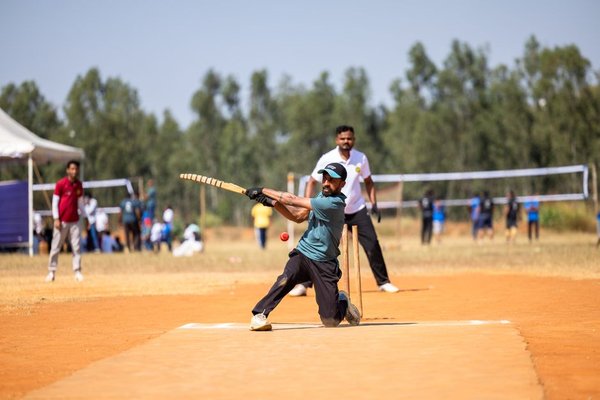
Starting cricket as an adult can feel slightly intimidating, especially when it seems as though everyone else learned to bat, bowl and field at school. The good news is that you do not need years of experience, expensive equipment or perfect fitness to get involved. Cricket is played at many different levels, and plenty of local teams welcome adults who are completely new to the sport.
Whether you want a sociable weekend hobby, a new way to stay active or the chance to play competitive matches, there is likely an entry point that suits you. This guide explains how to start playing cricket as an adult, covering everything from finding a welcoming club to understanding the rules, choosing equipment and preparing for your first training session.
Can You Start Playing Cricket as an Adult?
There is no age limit on learning cricket. Although professional players usually begin young, recreational cricket is very different. Local clubs include people of various ages, fitness levels and abilities, from experienced league players to adults who have never held a cricket bat before.
You also do not need to be naturally athletic. Cricket rewards a wide range of skills. Quick runners may enjoy fielding in the outfield, while players with good coordination might develop into useful batters. Others discover that they can bowl accurately even without great speed. Part of the enjoyment is finding the role that suits you.
Many adult cricket clubs UK-wide run casual training sessions, social teams or lower-level sides designed for people who are developing their game. The hardest step is often simply contacting a club and attending for the first time.
Learn the Basic Format of the Game
You do not need to memorise every law before joining a team. However, understanding the basic structure will make your first few sessions much easier.
Cricket is played between two teams. One team bats and tries to score runs, while the other bowls and fields in an attempt to dismiss the batters and restrict the score. The teams then change roles, and the side with the better score wins.
A batter scores by running between the wickets after hitting the ball or by striking it to the boundary. A ball reaching the boundary after touching the ground scores four runs, while one clearing the boundary without bouncing scores six. Batters can be dismissed in several ways, including being bowled, caught, run out or trapped leg before wicket.
When you first learn cricket rules, concentrate on these core ideas rather than the unusual situations that occasionally happen during matches. Terms such as overs, wickets, boundaries and innings will soon become familiar once you start playing and watching more cricket.
Understand Overs and Innings
An over normally consists of six legal deliveries bowled by one player. After the over, another bowler delivers from the opposite end of the pitch. Match length varies considerably. Some recreational games last around 20 overs per side, while traditional weekend matches may be longer.
Shorter formats are often approachable for beginners because the game moves quickly and the time commitment is easier to manage. Social matches may also use flexible rules so that everyone gets an opportunity to bat or bowl.
Find a Friendly Local Cricket Club
Finding the right environment matters more than finding the biggest or most successful club. Look for a beginner cricket club that actively promotes social cricket, adult coaching, introductory sessions or teams at different ability levels.
Start by searching online for clubs in your town, city or surrounding villages. Local sports centres, community groups, county cricket organisations and recreational leagues may also provide club directories. Many clubs regularly post training details and contact information on social media.
When contacting a club, be honest about your experience. Explain that you are an adult beginner and ask whether the club has a suitable practice session or team. A welcoming club will be happy to explain what to bring, where to go and what level of cricket it offers.
It can help to contact two or three clubs rather than automatically joining the nearest one. Club cultures vary. Some focus heavily on competitive league results, while others place greater emphasis on participation and the social side of the game. Choose the setting in which you feel comfortable asking questions and making mistakes.
Attend a Training Session Before Buying Equipment
Avoid purchasing a complete cricket kit before your first session. Clubs often have spare bats, pads, helmets and gloves that new players can borrow. Trying club equipment gives you a better idea of the sizes and styles that feel comfortable.
For an introductory training session, you may only need sports clothing, trainers and a drink. The club should tell you whether cricket shoes or protective equipment are required. Indoor beginner sessions may use softer balls, making them a relaxed way to practise basic techniques.
Your first practice will probably involve simple catching drills, throwing, batting in the nets and perhaps some introductory bowling. Nobody should expect you to perform perfectly. The aim is to become comfortable with the equipment and begin understanding how the game feels.
Choose the Essential Cricket Kit
Once you decide to continue, you can gradually build your own kit. A bat is the most obvious purchase, but the heaviest or most expensive model is not necessarily the best. Choose one that feels balanced and can be lifted comfortably into a batting position.
Batters using a hard cricket ball normally need pads, batting gloves, a protective abdominal guard and an approved helmet. A thigh pad and other additional protection may also be useful as you progress. Proper cricket shoes provide better grip, although many beginners use ordinary trainers during early practices.
Second-hand equipment can make cricket for beginners much more affordable. Clubs may have members selling quality bats or protective items that they no longer use. Helmets and protective equipment should still fit correctly and be in suitable condition, so ask an experienced player or coach for advice before buying.
Develop One Skill at a Time
Cricket involves many technical movements, and trying to master everything at once can become frustrating. Set small goals instead. As a batter, begin by watching the ball closely, keeping a stable stance and learning a straight defensive shot. Power can come later.
New bowlers should prioritise a repeatable action and reasonable accuracy rather than attempting to bowl as fast as possible. It is usually more useful to deliver the ball consistently towards the wickets than to produce one quick ball followed by several inaccurate ones.
Fielding is equally important. Practise getting your body behind the ball, using two hands for catches and throwing accurately towards the wicketkeeper. Reliable fielders are valuable at every standard of club cricket, even when their batting or bowling is still developing.
Improve Your Fitness Gradually
You do not need elite fitness to join a recreational cricket team, but improving your general conditioning will make training and matches more enjoyable. Cricket includes short sprints, throwing, bending, sudden changes of direction and long periods of concentration.
Walking, light jogging and basic strength exercises can provide a useful foundation. Pay particular attention to your legs, core, shoulders and mobility. Warming up before bowling or throwing is important because repeatedly using an unprepared shoulder can lead to discomfort.
Build your workload steadily, especially if you have not exercised regularly for some time. A supportive club should allow you to increase your involvement without feeling pressured to bowl long spells or field intensely from the beginning.
Prepare for Your First Match
Before your first game, confirm the start time, meeting location, clothing requirements and expected match length. Club cricket can involve more time than newcomers anticipate, particularly when travel, warm-ups and post-match activities are included.
Arrive early enough to meet your teammates and participate in the warm-up. Tell the captain that it is your first match so they can explain your role. You may be asked to field in a quieter position initially, but stay alert because the ball can travel anywhere.
Do not judge your progress by your first score or bowling figures. Experienced players sometimes make very few runs or have difficult games. Focus on learning where to stand, communicating with teammates and enjoying the experience of taking part.
Frequently Asked Questions
Am I too old to start playing cricket?
No. Recreational clubs include adults across a broad age range, and many offer social or lower-level teams. Your health, mobility and enthusiasm are more relevant than the age at which you begin.
Do I need my own cricket equipment?
Not usually for your first training session. Many clubs have equipment that beginners can borrow. Contact the club beforehand to confirm what is available and what clothing you should bring.
How long does it take to learn cricket rules?
The basic structure can be understood quickly, but some laws and tactics take longer to learn. Playing, watching matches and asking teammates questions will help you develop your knowledge naturally.
Can I join a cricket club with no experience?
Yes, provided the club offers a suitable level of cricket. Look for social teams, adult coaching sessions or beginner-friendly training, and clearly explain your experience when making contact.
Take the First Step and Get Involved
Learning how to start playing cricket as an adult is mainly about finding the right club and being willing to begin. You do not need to arrive with advanced knowledge or a full bag of equipment. A friendly team will help you understand the rules, practise safely and discover which parts of the game you enjoy most.
Contact a few local clubs, attend an introductory session and give yourself time to improve. Cricket has room for different personalities, body types and skill sets, making it a rewarding hobby for adults who want exercise, competition and a stronger sense of community.