
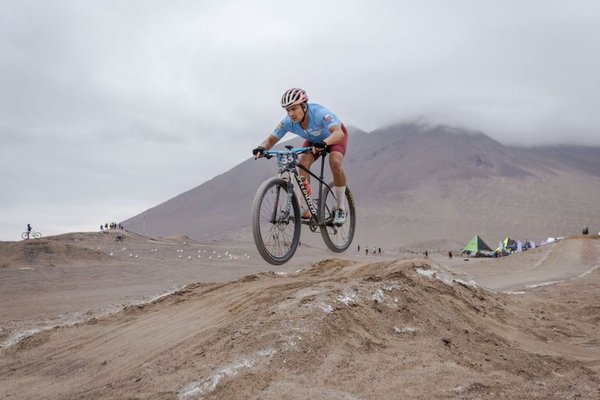
A mountain bike corner can feel completely different depending on where you look, when you brake and how you let the bike lean. Get those details working together and even familiar trails become smoother. The best mountain bike cornering technique is not about forcing the handlebars around. It is about arriving at a manageable speed, giving the tyres room to grip and pointing your attention toward a clear exit.
Think of Every Corner in Three Phases
The approach is where you make decisions. Look for the surface with the most grip, choose a sensible line and adjust your speed while the bike is relatively upright. Through the turn, stay balanced, allow the bike to lean and keep looking toward the exit. As the bike straightens, release any remaining steering pressure and begin building speed again.
Set Your Body Up Before You Lean
Stand on the pedals for most flowing or technical descents, with knees and elbows relaxed rather than locked. Keep your head up, your hands light and your weight supported primarily through your feet. Lowering a dropper post, if fitted, creates space to move the bike beneath you.
On many flat corners, let the bike lean toward the inside while your torso stays relatively more upright. This is often called counterbalancing. It helps you manage tyre contact and make small corrections without throwing your whole body into the bend. Avoid pushing your hips dramatically backward: the front tyre still needs enough load to steer accurately.
What Should Your Feet Do?
Level pedals are a strong default when entering rough corners and berms because they create a stable platform. On a smoother flat turn, lowering the outside pedal can help you counterbalance and keep the inside pedal clear of the ground. There is no rule that one foot position suits every bend. Prioritise balance, ground clearance and enough freedom to move the bike.
Brake Before the Corner, Not at Its Tightest Point
One of the most effective MTB cornering tips is simple: finish most of your slowing while travelling straight. Use both brakes progressively rather than grabbing them suddenly. As you approach the point where you need to steer, ease off the brakes and let the tyres concentrate on turning.
Sometimes an unexpected hazard means you must slow inside the corner. Stay calm, reduce lean where space permits and brake gently instead of making a sharp input. If the surface is slippery, a sudden squeeze can break traction quickly. Practising controlled braking on an easy trail helps you learn how your particular bike responds.
Use Your Eyes to Find the Exit
Look through the corner rather than directly at the front tyre. Scan the entrance, shift your gaze toward the apex and then look ahead along the exit as it becomes visible. Your head and shoulders can turn naturally in the direction of travel, helping your body coordinate the movement. In blind corners, ride slowly enough to stop within the distance you can see.
Flat Corners: Create Grip Instead of Chasing Speed
A flat corner has no banked trail surface to support your tyres. Enter at a controlled pace and look for compact dirt rather than loose gravel, polished roots or deep dust. With a clear sightline and no oncoming traffic, a wider entry can sometimes create a gentler arc, but never cut across another trail user’s line or ride off the designated track.
Imagine a right-hand turn on hardpack with a thin layer of loose pebbles. Brake before the gravel, look for the cleaner strip, keep your upper body calm and gently lean the bike right beneath you. Resist the urge to add an abrupt steering correction at the apex. If the front tyre starts to drift, reducing demands on it is usually more useful than turning the bars harder.
Berm Technique: Let the Bank Support Your Turn
A berm is a raised, banked corner. Its shape can support your tyres and allow more speed than an equivalent flat turn, provided the surface is sound. Look ahead to assess whether the upper edge is firm or crumbling, and whether loose material has collected near the bottom.
Choose a smooth arc rather than automatically aiming for the highest line. Brake before entry, remain relaxed through your arms and legs, and match your lean to the banking and speed. On a supportive, steeper berm, your body can lean more with the bike. A shallower or slower turn may call for more counterbalance. Let the exit come to you instead of sprinting blindly out.
Adjust for Mud, Roots and Off-Camber Trail
When the trail slopes away from the outside of the turn, an off-camber corner offers less support than a berm. Slow earlier, remain composed and select the least slippery route. Cross angled wet roots as squarely as practical, and avoid sudden braking or pedalling while the tyres are loaded sideways.
Wet clay, dry dust and embedded rocks all change how a tyre grips. There is no universal cornering speed or perfect tyre pressure. Check that your tyres are in good condition and inflated within the manufacturer’s recommended limits. A dedicated guide to mountain bike tyre pressure can help you fine-tune grip without risking rim strikes or unstable handling.
A Short Drill That Makes the Skill Stick
Find an open, permitted practice area with clear visibility and no traffic. Place two harmless markers far enough apart to make a broad figure-eight course. Ride slowly while practising three things in order: look toward the next exit, finish braking before leaning, and keep pressure steady through your feet.
Repeat the circuit in both directions. Change only one variable at a time, such as where you look or how far the bike leans. If your turns suddenly feel rushed, lower the entry speed rather than leaning more aggressively. This deliberate approach builds beginner trail riding skills and gives experienced riders a way to diagnose habits.
Frequently Asked Questions
Should I lean my body or the bike when cornering on an MTB?
On many flat turns, lean the bike inward while keeping your torso relatively upright. In a steep, supportive berm, you may lean with the bike. The right balance depends on speed, trail shape and available grip.
Should the outside pedal always be down?
No. Dropping the outside pedal can help on smooth flat corners, while level pedals often work better through berms and rough terrain. Keep the inside pedal clear of obstacles either way.
How do I stop my front wheel washing out?
Reduce entry speed, avoid abrupt braking or steering while leaned over, and choose a firmer line. Keep a balanced position so the front tyre can maintain grip. Slow down further if conditions are uncertain.
Make Smooth Turns Your Benchmark
Better cornering rarely comes from one dramatic movement. It grows from a calm approach, thoughtful line choice, balanced feet, controlled lean and eyes that are already searching for the exit. Practise those elements separately, then bring them together on real trails. The result is more predictable control, not just quicker corners.