
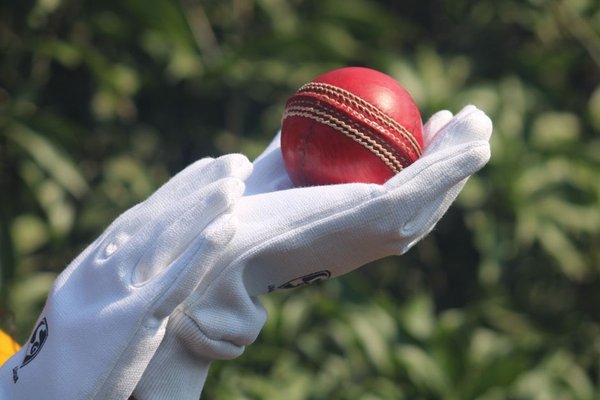
Test cricket can look complicated at first because it has more time, more innings and more tactical choices than limited-overs cricket. Yet the basic test cricket rules are easier to follow once you understand how the five days, two innings and match result fit together. Unlike a one-day international or T20, a Test rewards patience, endurance and changing tactics across several sessions.
How long does a Test match last?
A standard Test match is scheduled for up to five days. Each day normally contains around six hours of scheduled playing time, split into three sessions with lunch and tea intervals. On the first four days, the playing conditions generally set a minimum target of 90 overs, subject to weather, bad light, innings changes and other interruptions. The final day has special rules for the closing stages.
An over normally consists of six legal balls. Wides and no-balls do not count as one of those six, so an over can contain more than six deliveries. There is no fixed overall over limit for a Test cricket innings.
How many innings does each team get?
Each team can have up to two innings. In the normal sequence, Team A bats, then Team B, then Team A again, and finally Team B. The follow-on can change that order.
An innings usually ends when ten wickets have fallen, because the team has eleven players and two batters are needed to continue. It can also end when the captain declares, when an innings is forfeited, or when no further batter is available.
Runs, wickets and dismissals
Teams score runs by running between the wickets, hitting boundaries or receiving extras such as no-balls, wides, byes and leg byes. Four runs are normally awarded when the ball reaches the boundary after touching the ground, while six are scored when it clears the boundary on the full.
Common dismissals include bowled, caught, leg before wicket, run out and stumped. Test match rules use the same core Laws of Cricket as other formats, but the lack of a fixed innings over limit changes the tactics dramatically.
What is a declaration?
A declaration is one of the most distinctive Test cricket rules. The captain of the batting side can declare the innings closed before all ten wickets have fallen, usually to create enough time to dismiss the opposition and win.
For example, imagine England reach 480 for six midway through day two. The captain may decide that extra bowling time is more valuable than another 50 or 60 runs. Declaring gives the bowlers a chance to attack while conditions may still help them.
What is the follow-on?
The follow-on allows the team that batted first to make the other side bat again immediately after its first innings. In a normal five-day Test, the team batting first must hold a first-innings lead of at least 200 runs before it can enforce the follow-on.
Suppose Team A scores 500 and Team B is dismissed for 280. Team A leads by 220, so its captain can ask Team B to bat again. The captain does not have to enforce it; sometimes the leading side prefers to bat again, rest its bowlers and build a larger target.
How does a team win a Test match?
A team wins by scoring more runs than the opposition while completing the necessary innings before time runs out. If the side batting last reaches its target, it wins by wickets. If the side bowling last dismisses the opposition before the target is reached, it wins by runs. A team can also win by an innings when its single innings total exceeds the opponent’s combined total from two completed innings.
This is why five day cricket is different from shorter formats: being ahead on runs is not always enough. A side usually needs enough time to take the wickets required for victory.
What is a Test match draw?
A Test match draw happens when the scheduled time expires without either team completing the requirements for victory. A draw is not the same as a tie. A tie occurs only when all required innings are completed and the scores are exactly level.
For example, Team B may be 250 for five while chasing 420 when play ends on day five. Team B has not reached the target, but Team A has not taken all the wickets needed to win. The match is drawn.
What happens when rain or bad light stops play?
Test cricket does not use a simple reduced-overs chase in the way limited-overs cricket can. Lost time may be partly recovered through adjusted playing hours, but heavy rain can remove enough overs to make a result difficult. Umpires can also suspend play when conditions become unsafe, including poor light.
That is why the clock matters almost as much as the score. Captains constantly judge how many runs they need, how many overs remain and how much risk they should take.
Reviews and umpire decisions
In international Tests using the Decision Review System, teams can challenge certain on-field decisions and ask the third umpire to review available technology. Successful reviews are retained, while unsuccessful reviews are limited by the playing conditions. An LBW decision that remains unchanged only because of Umpire’s Call does not count as an unsuccessful review.
Useful next topics for beginners include cricket formats explained, how cricket scoring works, and the LBW rule explained.
FAQ
How many overs are there in a Test match?
There is no fixed total for the whole match. On the first four days, the standard target is generally 90 overs per day, subject to interruptions and playing-condition rules. An innings itself has no set over limit.
Can a Test match finish before five days?
Yes. A Test ends as soon as a result is achieved. If one team wins on day three or day four, the remaining scheduled days are not played.
Why do captains declare an innings?
Captains declare to trade potential extra runs for time. The aim is usually to leave their bowlers enough overs to dismiss the opposition and force a result.
What is the difference between a draw and a tie?
A draw means time expired without a winner. A tie means the required innings were completed and both teams finished level on runs, which is much rarer.
Final thoughts
The easiest way to understand Test cricket is to think of it as a contest of both runs and time. Each side can bat twice, there is no fixed innings over limit, and captains can use declarations and the follow-on to create winning opportunities. Once you understand innings, overs, wickets, draws and the five-day structure, the long format becomes far easier to follow.