
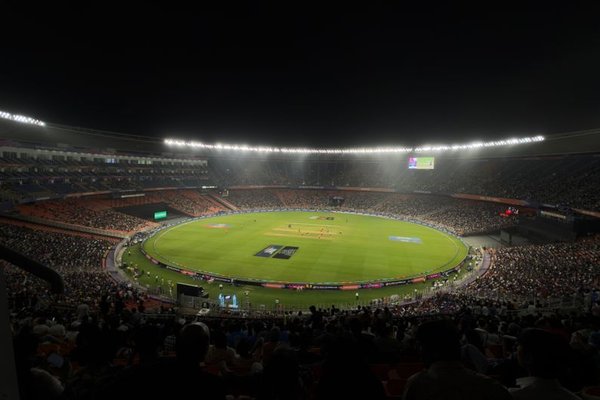
The Big Bash League is Australia’s leading men’s domestic T20 competition, but its appeal goes beyond sixes and packed summer crowds. Its short league phase, unusual fielding restrictions and distinctive finals pathway make it an interesting comparison with franchise tournaments elsewhere. Here is the Big Bash League explained, from the first bat flip to the championship match.
What is the Big Bash League?
Launched in 2011, the BBL is a city-based Australian T20 league operated by Cricket Australia. It generally takes place during the Australian summer, with matches concentrated in December and January. Domestic professionals, emerging players and overseas signings share the stage, although international commitments affect availability.
Every match uses the Twenty20 format: each side normally has up to 20 overs, with six legal deliveries per over. The side scoring more runs wins. A bowler can deliver a maximum of four overs, so captains must balance specialists and all-rounders. See T20 cricket rules for the wider context.
Which teams play in the BBL?
Eight clubs compete: Adelaide Strikers, Brisbane Heat, Hobart Hurricanes, Melbourne Renegades, Melbourne Stars, Perth Scorchers, Sydney Sixers and Sydney Thunder. Melbourne and Sydney each have two teams, creating local derbies that feature prominently in the schedule.
Matches take place at major Australian grounds and selected regional venues. Travel, ground dimensions and playing conditions vary, which can influence team selection and tactics.
How does the BBL format work?
Regular-season matches
In 2026–27, the eight teams are scheduled to play 40 regular-season matches in total. Each club plays ten times, rather than facing every opponent home and away. Some opponents meet twice and others once. The shortened schedule makes every result significant.
The competition awards two points for a win and generally one point each for an unresolved tie or no-result. Net run rate helps distinguish teams level on points, subject to official ranking rules. It compares scoring speed with runs conceded, with special treatment when a side is dismissed before using all its overs.
Only four teams reach the playoffs, so five wins may not guarantee qualification. A narrow defeat can also matter when sides finish level. See how cricket net run rate works to understand why teams sometimes keep attacking even after a result looks settled.
The BBL finals pathway
The top four advance to a four-match finals series. First plays second in the Qualifier, and third plays fourth in the Knockout. The Qualifier winner advances directly to the Final; its loser gets another opportunity in the Challenger against the Knockout winner. The Challenger winner then contests the title.
Consider a team finishing second. It could lose the Qualifier, win the Challenger and still become champion. The team finishing fourth has no safety net: losing the Knockout ends its season. That double chance is the biggest reward for a top-two finish.
The 2026–27 schedule runs from 12 December 2026 to a planned Final on 26 January 2027, with the Qualifier on 19 January. The opening fixture is scheduled for Chennai, India, the league’s first match outside Australia.
What are the distinctive Big Bash rules?
Four-over Powerplay and two-over Power Surge
Instead of using the entire six-over batting Powerplay at the start, the BBL splits the main restricted-field period. The opening Powerplay lasts four overs. The batting team can call a two-over Power Surge from the 11th over onward, when only two fielders may stand outside the inner circle.
Imagine a team at 95 for two after 12 overs. Its captain might activate the Surge while two established batters are set, hoping to accelerate before the opposition’s best death bowler returns. Waiting risks losing wickets and leaving less batting strength to exploit the restrictions.
Bat flip, reviews and over-rate penalties
Before play, captains use a bat flip rather than a conventional coin toss to decide who chooses to bat or bowl. The BBL also uses technology-assisted decision reviews under its playing conditions, although review procedures can change between seasons.
For 2026–27, a tougher slow-over-rate rule adds another batting advantage: if the bowling side exceeds its 84-minute innings timer, full Powerplay fielding restrictions apply for the remaining deliveries. This gives captains a strong reason to keep play moving.
The new designated batter option
BBL|16 introduces an optional designated batter and designated fielder arrangement. Before the bat flip, a team may nominate a batter who can bat but cannot bowl or field, alongside a designated fielder who may field or keep wicket but cannot bowl. The two exchange roles between batting and fielding innings.
A club may instead select a traditional playing XI. Unlike the Indian Premier League’s Impact Player system, this option does not provide a general-purpose substitute who can also bowl. It can help teams use a specialist hitter without sacrificing fielding quality.
How do BBL squads and overseas players work?
Clubs build around Australian talent and supplement it with international stars. For 2026–27, the overseas player draft has been scrapped: teams recruit through direct signings. There is no longer a minimum overseas signing requirement, while a maximum of three overseas players can occupy places on a club’s primary list.
Availability remains a practical issue. Australians may leave for national duty, while international players can have competing commitments. A team that looks strong in December may have a different combination available for the BBL finals. Check confirmed lineups rather than assuming every marquee signing will appear.
How does the BBL compare with other T20 leagues?
The BBL shares franchise identities, international recruitment and playoff drama with the IPL, but the formats differ. Australia’s competition has eight men’s clubs, a ten-match regular season per side and the Power Surge. The IPL uses a different schedule and substitution system. Compare the IPL tournament format for another example of how franchise competitions are structured.
These differences affect strategy. In a short season, losing two games early can be costly. The Surge encourages captains to reserve hitters for a chosen moment, while the Qualifier rewards consistency with an extra route to the Final.
Frequently asked questions
How many teams are in the Big Bash League?
There are eight men’s BBL teams representing six Australian cities. Sydney and Melbourne each have two clubs.
How many matches does each BBL team play?
Under the 2026–27 format, each club is scheduled for ten regular-season games. Teams reaching the finals play additional matches.
How many teams qualify for the BBL finals?
Four qualify. First and second enter the Qualifier with a double chance, while third and fourth begin in the Knockout.
Is the Big Bash League the same as the WBBL?
No. The WBBL is Cricket Australia’s separate women’s competition. Both use T20 cricket, but their schedules and some playing conditions differ. The new designated batter rule applies to the men’s BBL, not WBBL|12.
Why the BBL structure matters
The Big Bash is a sprint with a strategic finish: ten league games to earn one of four finals places, followed by playoffs that reward the top two. Add the Power Surge, fluctuating player availability and the designated batter option, and this Australian T20 league has an identity distinct from other franchise tournaments.