
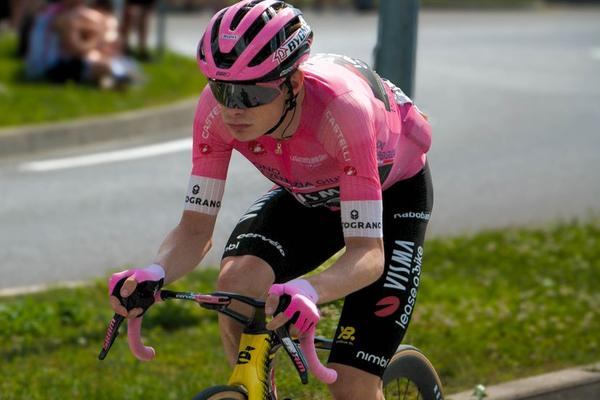
The Giro d’Italia is Italy’s three-week cycling spectacle, but you do not need to recognise every rider to enjoy it. Once you understand the clock, jerseys and stage types, the race becomes a contest of competing ambitions. A sprinter can celebrate while the overall leader finishes quietly in the bunch; a climber can take the spotlight without threatening the race winner. This Giro d’Italia explained guide shows how those stories fit together.
How the Giro d’Italia works
The Giro is one of professional cycling’s three Grand Tours, alongside the Tour de France and Vuelta a España. It normally features 21 stages across roughly three weeks, with rest days. Riders compete on teams, but several prizes are awarded individually.
Each stage has a winner. The overall champion, however, is determined by general classification, or GC: the lowest cumulative time across the stages after applicable bonuses and penalties. Winning stages does not automatically make someone the overall winner. Consistency, climbing, time trialling and avoiding costly losses matter more.
Think of it as several overlapping competitions held on the same roads. That is the key to understanding the Italian Grand Tour.
Giro stages: why the route changes everything
Flat and sprint-friendly stages
On flatter days, teams with fast finishers often control the pace for a bunch sprint. Breakaway riders may escape early, forcing the peloton, or main group, to decide when to chase. The finale can be frantic even when the GC favourites finish together.
Hilly and mountain stages
Hilly routes invite attacks from versatile riders. High-mountain stages are where overall contenders often gain or lose minutes, especially when several difficult climbs follow one another. A summit finish may expose a leader’s weakness, while a descent after the final climb can alter tactics.
Italian climbs such as the Stelvio are part of Giro folklore, although the actual mountains change by edition. The Cima Coppi designation recognises the highest summit included in that year’s route.
Individual time trials
In an individual time trial, riders start separately and race against the clock. Strong time triallists can build GC advantages without attacking in the mountains. Drafting another competitor is not permitted, so pacing and aerodynamic efficiency matter.
A route’s balance between time trials and climbs can favour very different contenders. Check the stage profiles before assuming the strongest mountain rider will win.
How the general classification is decided
After each stage, officials add riders’ recorded times to their running totals, applying relevant bonuses and penalties. Riders finishing in the same recognised group can receive the same stage time under the timing rules. A gap opened on a climb or during a split in the bunch can therefore matter more than the placing itself.
Imagine two GC contenders begin a mountain stage level on time. One finishes 42 seconds ahead. Even without winning the stage, that rider can lead overall, before any applicable bonuses are considered. Losing contact in a crosswind can be just as damaging as being dropped uphill.
Riders must also finish within the applicable stage time limit unless officials grant an exception. Simply reaching the final day is an achievement.
Giro jerseys explained
Pink jersey: Maglia Rosa
The pink jersey identifies the GC leader, the rider with the lowest adjusted aggregate time. Introduced in 1931, its colour reflects the pink paper associated with La Gazzetta dello Sport, the newspaper that founded the race. Wearing pink for a day is prestigious; keeping it through the final stage wins the Giro.
Cyclamen jersey: Maglia Ciclamino
The purple-toned cyclamen jersey belongs to the points classification leader. Riders earn points at stage finishes and designated intermediate sprints, with allocations dependent on stage type and regulations. It often rewards sprinters, but consistency and surviving difficult mountain stages matter too.
Blue jersey: Maglia Azzurra
The blue jersey marks the mountains classification leader. Points are awarded at designated categorised climbs, with greater rewards generally available on more significant ascents. Someone can target climbing points from breakaways without threatening the overall title.
White jersey: Maglia Bianca
The white jersey goes to the highest-placed eligible young rider in the GC. It is based on overall time, not a separate points system. The exact birth-date eligibility threshold is specified in each edition’s regulations.
If a rider leads multiple classifications, jersey priority rules allow another highly ranked rider to wear a lower-priority jersey. The person wearing a jersey is therefore not always the leader of that particular competition.
What teams actually do during the race
Although headlines celebrate individuals, Grand Tour success depends heavily on teamwork. Domestiques carry supplies, protect leaders from wind, chase attacks and set the pace before climbs. A team may bring a GC leader, a sprinter and specialist helpers, but their goals sometimes conflict.
A sprint team might spend a flat stage catching a breakaway, while a GC team concentrates on keeping its leader safe. In the mountains, teammates can pace a contender until only the strongest rivals remain. A rider who finishes well behind the winner may still have performed brilliantly for the team.
What makes the Giro different from other Grand Tours?
The Giro is renowned for unpredictable spring weather, Alpine and Dolomite scenery, historic towns and ambitious route designs. Snow, rain and difficult descents can complicate even careful plans. The opening stages sometimes take place outside Italy, but the race’s cultural centre remains Italian.
For comparison, useful related reading includes Tour de France race format and Vuelta a España explained. Their shared Grand Tour rules become easier to recognise once you notice how each event’s terrain creates a different contest.
A simple way to follow a Giro stage
Before watching, identify the stage type, final climb or sprint finish, and GC time gaps. During the race, ask: Who wants the stage win? Which teams need to chase? Can the pink jersey’s rivals gain time? Afterwards, compare the stage result with GC, points and mountains standings. Those tables tell different stories.
For more insight into attacks, explore cycling breakaway tactics. A seemingly doomed escape can still collect mountain points, publicity or a valuable stage victory.
Frequently asked questions
How many stages are in the Giro d’Italia?
The modern Giro normally has 21 racing stages spread across roughly three weeks, with rest days. Routes, distances and stage types change each year.
Does winning a stage mean you lead the Giro?
No. Stage victory is a standalone achievement. Pink goes to the rider with the lowest cumulative adjusted time, so a stage winner may be far behind overall.
What is the difference between the pink and cyclamen jerseys?
Pink rewards the best overall time; cyclamen rewards points gathered at designated finishes and sprints. They can have different leaders.
Can a rider win the Giro without winning a stage?
Yes. Consistent performances and avoiding major time losses can secure the overall title without an individual stage victory.
Conclusion
The Giro becomes clearer once you stop treating every finish line as the same contest. Stage victories, aggregate time, sprint points, mountain points and young-rider standings reward different strengths. Follow those parallel battles, and the race becomes three weeks of strategy, endurance and shifting opportunity.