
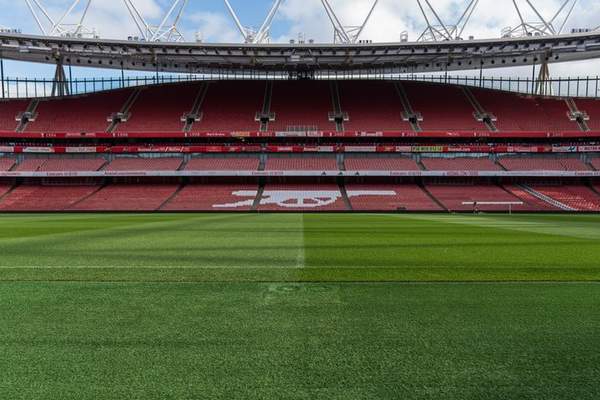
The promoted teams entering the Premier League in 2026/27 arrive with three stories. Coventry City dominated the Championship, Ipswich Town bounced straight back after one season away, and Hull City survived the play-offs to claim the final place. All three have recognised the same truth: the squads that earned EFL promotion cannot stand still and expect to survive in the top flight.
This preview assesses what each club already does well, how its summer recruitment is changing the picture, and where the biggest risks remain. The transfer window is still open, but there is enough evidence to separate the strongest survival case from the most fragile one.
Who are the new Premier League clubs for 2026/27?
Coventry finished as Championship champions with 95 points, scoring 97 league goals under Frank Lampard. Ipswich secured second place with 84 points and returned to the Premier League at the first attempt. Hull completed the trio by beating Middlesbrough 1-0 at Wembley, with Oli McBurnie scoring a stoppage-time winner in the play-off final.
Those routes matter. Coventry proved themselves across 46 matches, Ipswich showed resilience after relegation, and Hull demonstrated that they can win without controlling possession. Premier League survival, however, depends on defensive reliability, squad depth and the ability to take points at home.
Coventry City: The strongest platform
Coventry look like the promoted side best equipped to make an immediate impact. Lampard’s team were not cautious champions. They played with attacking confidence, created goals from several areas and finished with an outstanding points total and goal difference. That gives them a clearer identity than many promoted clubs possess.
The summer business has been ambitious. Frank Onyeka’s loan move from Brentford was made permanent after he helped drive the promotion run. Coventry also added winger Loum Tchaouna from Burnley and Swiss centre-back Aurèle Amenda from Eintracht Frankfurt. Goalkeeper Carl Rushworth, who won the Championship Golden Glove during his loan spell, has been secured permanently.
These moves address Premier League problems rather than merely adding numbers. Onyeka brings top-flight intensity, Amenda adds athleticism, Tchaouna offers transition threat, and Rushworth already understands Lampard’s system. Coventry are keeping the spine of a winning team while raising its ceiling.
Coventry survival outlook
The opening schedule is demanding, including a trip to champions Arsenal, so early results may look worse than the performances. Coventry should avoid reacting emotionally if they begin slowly. Their target is to remain close to safety through the first ten matches, then use home games against bottom-half rivals to build momentum.
On current evidence, Coventry have the best chance of the three promoted clubs surviving. They still need depth in key defensive areas, but a finish around 15th to 17th is believable.
Ipswich Town: Experience with a major reset
Ipswich have one advantage the other newcomers cannot match: many players already know what Premier League football feels like. Their 2024/25 relegation exposed the speed, physical demands and punishment that follow defensive mistakes. Returning immediately suggests the club recovered well rather than losing direction.
The major change is in the dugout. Kieran McKenna stepped down after leading the promotion, and Gary O’Neil has taken charge. That creates uncertainty because Ipswich must adapt tactically while preparing for stronger opponents. O’Neil’s Premier League experience may help, but pre-season work will be crucial.
Recruitment has mixed athletic potential with proven top-flight knowledge. Abdul Fatawu offers direct running and one-against-one ability, while centre-back Issa Diop brings extensive Premier League experience. Goalkeeper Kayne van Oevelen has joined from FC Volendam as a longer-term option. The balance makes sense, although Ipswich may still need greater authority in central midfield.
Ipswich survival outlook
Ipswich should be more streetwise than during their previous top-flight campaign. The concern is whether a managerial transition reduces the benefit of continuity. If O’Neil quickly builds a compact defensive structure and Fatawu improves their counterattack, they can stay competitive.
Their prospects appear slightly weaker than Coventry’s but stronger than Hull’s. A finish between 16th and 19th is realistic, with home form at Portman Road likely to decide which side of the line they land on.
Hull City: The biggest challenge
Hull were the Championship playoff winners, and their route to promotion revealed both strength and vulnerability. They can defend under pressure, stay composed and punish opponents when one decisive chance appears. Yet their wider season was less convincing than Coventry’s or Ipswich’s, and some performance models rated them far below their final position.
The club has responded by strengthening the spine. Jack Butland adds experience in goal, Matt Targett provides established Premier League quality at left-back, and Óscar Zambrano has returned to bolster midfield. Hidemasa Morita also adds composure and international experience in the centre.
Those additions should make Hull harder to break down, but goals remain the central question. McBurnie delivered the defining moment at Wembley, yet surviving 38 Premier League matches requires more than isolated moments. Hull need pace around the striker, better ball progression and enough depth to cope with injuries.
Hull survival outlook
A practical survival plan would be to treat matches against direct rivals like six-pointers from August onward. Hull cannot afford to reach January having played well but collected too few points. They should prioritise set pieces, defensive organisation and fast attacks rather than trying to outplay technically superior teams every week.
Hull currently look the most likely of the three to be relegated, but experienced recruitment gives them a fighting chance. Their range appears to be 17th to 20th, with further attacking signings potentially improving that forecast.
What will decide promoted clubs survival?
Home results
Each newcomer will need its stadium to become a reliable source of points. Taking four or six points from direct rivals at home can matter more than an occasional headline draw against a title contender.
Defensive adaptation
Championship teams can recover after losing the ball; Premier League teams often score before the defence resets. Protecting central areas and limiting high-quality chances will be essential.
January decision-making
The summer builds the squad, but January reveals whether the plan worked. Smart additions can repair one weakness; panic buying can damage the wage structure without improving results. Related coverage could naturally include a Premier League 2026/27 season preview, a relegation battle guide and a summer transfer window review.
Frequently asked questions
Which teams were promoted for 2026/27?
Coventry City and Ipswich Town earned automatic promotion, while Hull City won the Championship play-off final.
Which promoted club has the best survival chance?
Coventry currently have the strongest case because of their dominant promotion season, tactical continuity and ambitious recruitment.
Can Ipswich avoid another immediate relegation?
Yes. Their previous Premier League experience and new signings should help, although O’Neil must establish his system quickly.
Why are Hull considered the most vulnerable?
Hull’s promotion was built on play-off resilience rather than sustained dominance, and they still need more attacking quality.
Final verdict
Coventry appear best placed to survive, Ipswich sit close behind, and Hull face the steepest climb. None should be dismissed while the transfer window remains open. The decisive factor will not be which club creates the biggest summer headline, but which one turns recruitment into a settled team capable of collecting points during difficult runs.