
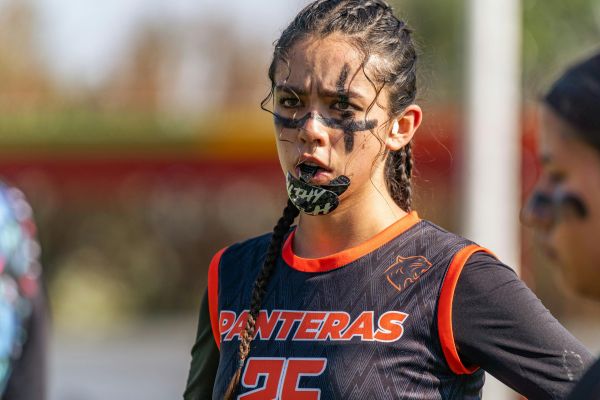
For much of modern sporting history, combat disciplines were presented as male territory. Boxing gyms, wrestling mats, martial arts schools, and fight promotions often treated women as visitors rather than serious competitors. Yet women were training, sparring, competing, and teaching long before mainstream audiences were ready to notice them.
Today, female athletes in combat sports are far more visible. Women headline major events, win international medals, coach the next generation, and build careers in disciplines ranging from boxing and mixed martial arts to judo, taekwondo, wrestling, kickboxing, and Brazilian jiu-jitsu.
Visibility, however, does not mean every barrier has disappeared. Women still navigate unequal opportunities, limited weight divisions, stereotypes about appearance, and training environments that were not always designed with them in mind. Their progress tells a larger story about athletic skill, cultural change, and the right to compete without being treated as an exception.
A History Longer Than Many People Realize
Women’s participation in fighting sports is sometimes discussed as a recent development, but its roots stretch much further back. Across cultures, women practiced forms of wrestling, weapon-based martial arts, self-defense, and organized physical competition even when official institutions refused to recognize them.
The difficulty was not a lack of interest or ability. It was access. Women were often excluded from clubs, competitions, governing bodies, and media coverage. When they did compete, their matches might be framed as entertainment rather than legitimate sport.
Gradually, that began to change. Amateur organizations introduced women’s divisions, national federations developed pathways for female competitors, and major international events opened more categories. Each step created opportunities that earlier athletes had been denied.
Progress did not arrive evenly. Some disciplines welcomed women sooner, while others resisted until public pressure and undeniable athletic success made exclusion harder to defend.
Skill Matters More Than Old Stereotypes
Combat sports are frequently misunderstood as simple tests of aggression. In reality, they demand timing, balance, discipline, strategy, endurance, emotional control, and an ability to make decisions under pressure.
These qualities have never belonged to one gender.
A skilled boxer must control distance, read movement, protect openings, and choose when to attack. A judoka must understand leverage and body position. A wrestler needs strength, but also patience, technique, and the ability to react instantly. In mixed martial arts, athletes may shift between striking, grappling, defense, and positional strategy within seconds.
Female athletes in combat sports have helped challenge the belief that power is the only quality that matters. Their performances reveal the technical depth of these disciplines. A perfectly timed counter, escape, throw, or submission can be more decisive than raw force.
That recognition has changed how many audiences watch women compete. The focus is increasingly on style, preparation, and tactical intelligence rather than surprise that women are fighting at all.
The Gym Can Shape the Entire Experience
A combat sports career often begins in an ordinary local gym. The culture of that space can determine whether a young woman feels welcomed, tolerated, or pushed out.
Supportive gyms treat female athletes as athletes from the beginning. Coaches provide serious instruction, appropriate sparring partners, honest feedback, and equal access to equipment and training time. They do not assume that every woman wants a lighter session or that technical ambition belongs only to men.
Poor environments can look very different. Women may be ignored during drills, repeatedly matched with unsuitable partners, subjected to jokes, or made to feel uncomfortable for asking questions. Some are expected to prove their toughness before receiving basic respect.
The presence of female coaches and experienced teammates can make a meaningful difference. They offer practical knowledge about competition, safety, training, and confidence. More importantly, they make belonging visible. A beginner can look around the room and see that there is a place for her there.
Training Requires Individual Understanding
Women do not need an entirely separate version of combat sports, but good coaching recognizes that every athlete has individual physical and physiological needs.
Strength, recovery, mobility, body composition, injury history, and training response vary widely from person to person. Menstrual cycles may affect energy, comfort, or recovery for some athletes, though the experience is not identical for everyone. Coaches who approach the subject calmly can help athletes adjust without turning normal biology into a weakness.
Equipment also matters. Gloves, protective gear, chest protection, uniforms, and training clothing should fit properly. Products designed around male body proportions may restrict movement or create discomfort.
Serious coaching avoids both extremes. It does not ignore relevant differences, but it also does not treat female athletes as fragile. The aim is to help each competitor train effectively, recover well, and perform at her highest level.
Weight Cutting Creates Particular Pressures
Weight classes are central to many combat sports because they create fairer competition. Yet the process of making weight can become unhealthy when athletes use extreme dehydration, restrictive eating, or rapid weight loss.
Women may face additional pressures because sporting expectations overlap with wider cultural messages about body shape. An athlete can be judged simultaneously for being too muscular, too heavy, too lean, or insufficiently feminine. That tension can make conversations about weight especially complicated.
A responsible training environment separates performance needs from appearance. Coaches should focus on strength, energy, recovery, and sustainable competition planning rather than encouraging athletes to chase an unrealistic number.
Not every athlete needs to compete in the lightest possible division. Sometimes moving to a more natural weight class improves concentration, durability, and overall performance.
Media Attention Can Help and Harm
Greater coverage has helped women’s combat sports reach audiences that previous generations could barely imagine. Major fights can inspire young athletes, attract investment, and show that women’s competition deserves serious attention.
Yet media treatment remains uneven. Male fighters are usually discussed through records, strategy, rivalries, and technical strengths. Women are more likely to face questions about appearance, family life, clothing, or whether combat sports are appropriate for them.
Even positive coverage can become limiting when every female champion is described mainly as a symbol of empowerment. These stories matter, but athletes are also tacticians, specialists, competitors, and imperfect human beings. They should be allowed to win, lose, struggle, and evolve without carrying the burden of representing all women.
Better coverage treats women’s competition as sport first. It explains technique, examines preparation, and allows personalities to emerge naturally.
Motherhood and Athletic Identity
For some competitors, motherhood becomes part of the athletic journey. Returning to training after pregnancy may involve physical recovery, childcare, altered routines, and a different relationship with risk and ambition.
The experience varies greatly. Some athletes return to elite competition, while others change divisions, reduce their schedules, move into coaching, or decide that competition no longer fits their lives.
What matters is that motherhood should not automatically erase an athlete’s identity. Women deserve informed medical support, realistic recovery plans, and the freedom to decide what comes next.
Combat sports often celebrate dramatic comebacks, but not every return needs to be heroic. Sometimes progress means rebuilding strength slowly. Sometimes it means discovering a new role within the sport.
Representation Changes Who Enters the Room
When girls see women competing at a high level, the possibility of participation becomes easier to imagine. A sport no longer appears distant or forbidden. It becomes something they might try after school, pursue seriously, or continue into adulthood.
Representation also affects families. Parents who once viewed boxing, wrestling, or martial arts as inappropriate for daughters may reconsider after seeing women compete with discipline and technical excellence.
Participation does not require professional ambition. Many women train for fitness, self-confidence, community, stress relief, or the pleasure of learning a difficult skill. Others want medals and titles. Both paths are legitimate.
As participation grows, the culture of combat sports grows with it. More women become referees, judges, coaches, gym owners, commentators, and administrators. Influence extends beyond the competition area.
Respect Is Built Through Equal Standards
Equality in combat sports does not mean pretending every athlete is identical. It means providing serious opportunities, appropriate resources, fair promotion, qualified coaching, and respect based on performance.
Female competitors should not have to be exceptional merely to receive the attention routinely given to average male athletes. They also should not be protected from fair criticism. True inclusion allows women’s performances to be analyzed honestly without returning to tired assumptions about gender.
The strongest athletes earn respect through years of repetition, pain, discipline, and adjustment. Their careers are built in quiet training sessions long before the crowd arrives.
More Than a Place in the Ring
The rise of female athletes in combat sports is not simply a story about women entering traditionally male spaces. It is a story about those spaces becoming more complete.
Women have expanded the technical styles, personalities, and experiences visible within fighting sports. They have challenged narrow ideas about strength without replacing them with a single new definition. Strength can be explosive, patient, strategic, emotional, physical, or quietly persistent.
There is still work to do in coaching, media coverage, athlete safety, funding, and opportunity. Even so, the direction is clear. Women are not temporary guests in combat sports, and they are not competing merely to prove that they belong.
They are already part of the history, culture, and future of the fight.