
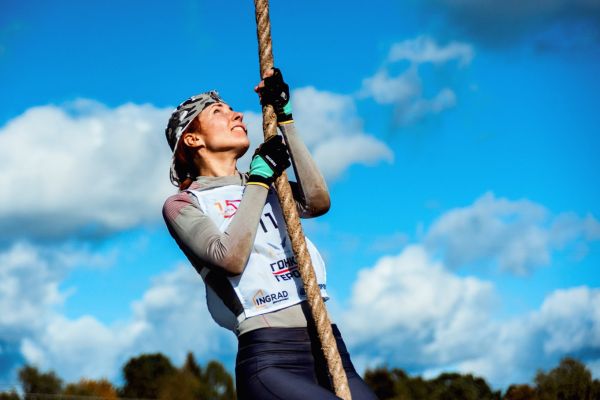
Extreme sports have always carried a certain wild energy. They live on cliffsides, waves, snow-covered peaks, dirt tracks, skate parks, and open skies. They ask athletes to move with courage, timing, strength, and a strange kind of calm that only appears when fear is close. For many years, the image of extreme sports was mostly male: the fearless surfer, the mountain biker, the snowboarder dropping into impossible terrain. But that image has been changing, and not quietly.
Female athletes in extreme sports are no longer standing at the edge of the scene, waiting to be recognized. They are leading climbs, landing tricks, breaking records, shaping communities, and changing how people understand risk and athleticism. Their presence has brought a different texture to extreme sports, not softer or less intense, but more layered, more visible, and more complete.
The Rise of Women in High-Risk Arenas
The growth of women in extreme sports did not happen overnight. It came through decades of persistence, often in spaces where women had to prove themselves twice before being taken seriously once. Whether it was surfing, skateboarding, snowboarding, BMX, rock climbing, motocross, parkour, or big-mountain skiing, female athletes often had fewer competitions, less media attention, smaller prize purses, and limited access to sponsorship.
Still, they showed up. They trained in the same conditions, faced the same falls, and pushed their bodies through the same risks. Sometimes they did it without much applause. That quiet determination became the foundation for today’s more visible generation.
Now, young girls can watch women compete at elite levels in sports that once seemed closed to them. They can see female skateboarders flying through bowls, surfers charging heavy waves, climbers solving brutal routes, and snowboarders carving lines that demand total nerve. Representation matters because it changes what a child believes is possible before anyone has to explain it.
Strength Beyond the Stereotype
Extreme sports require a kind of strength that does not always fit traditional ideas of athletic power. Yes, muscle matters. So do balance, reaction speed, grip, endurance, flexibility, and body awareness. But perhaps the most important quality is mental control.
This is one reason female athletes in extreme sports have challenged old assumptions about what strength looks like. A climber may need patience more than force. A skateboarder may need rhythm and fearlessness. A surfer has to read water that is moving, changing, and unpredictable. A mountain biker needs split-second decisions on rough terrain where hesitation can be dangerous.
Women have shown that strength is not one single thing. It can be explosive, graceful, technical, stubborn, or deeply focused. In extreme sports, the body and mind have to work together. That balance has allowed many female athletes to redefine performance in ways that go beyond size or brute power.
Risk, Fear, and the Art of Staying Calm
People often assume extreme athletes are fearless. That is rarely true. Most of them feel fear very clearly. The difference is that they learn how to move with it.
For women in extreme sports, fear can come from more than the physical challenge. There may also be social pressure, judgment, or the feeling of being watched more closely than male athletes. A woman dropping into a massive wave or attempting a difficult trick may not only be fighting the natural fear of the moment. She may also feel the weight of expectation, as if one mistake could be used to question whether women belong there at all.
That kind of pressure is unfair, but many female athletes have turned it into focus. They prepare carefully. They study conditions. They build skill through repetition. They learn when to push and when to step back. In a culture that sometimes celebrates recklessness, many women have helped show that courage is not the same as carelessness.
Visibility Has Changed the Landscape
Media coverage has played a major role in how women’s extreme sports are viewed. In the past, female athletes often received attention for how they looked rather than how they performed. Their style, appearance, or personality could overshadow their technical skill. That pattern has not disappeared completely, but it has been challenged more openly.
Today, social media has given athletes more control over their own stories. A snowboarder can share training clips, injury recovery, competition runs, and personal reflections without waiting for traditional outlets to notice. A climber can document the long, frustrating process behind a route. A surfer can show both the glamorous beach image and the exhausting reality of chasing waves before sunrise.
This visibility has made the sports feel more human. Fans can see the work behind the highlight. They can see the failed attempts, the bruises, the doubts, and the discipline. For female athletes especially, this has helped shift attention from novelty to expertise.
The Importance of Equal Opportunities
Progress is real, but equality is still uneven. In some extreme sports, women now compete on major platforms with growing recognition. In others, they continue to face fewer events, less funding, limited media exposure, or smaller development pathways.
Equal opportunity is not only about prize money, though that matters. It is also about access to coaching, safe training environments, equipment, travel support, mentorship, and competition slots. A young athlete cannot reach the highest level if the path is blocked before she even begins.
When girls see women competing seriously, they are more likely to enter the sport. But they also need places to practice, teams that welcome them, and coaches who understand how to develop their talent without underestimating them. The future of female athletes in extreme sports depends not just on the stars at the top, but on the systems that support the next generation.
Injury, Recovery, and Resilience
Extreme sports come with risk. Falls, fractures, concussions, torn ligaments, and long recoveries are part of the landscape. For female athletes, injury can be especially complicated because their careers may already receive less attention and support. Time away from competition can mean lost visibility, lost income, and a harder road back.
Yet recovery stories often reveal some of the deepest strength in sports. Coming back from injury requires patience, humility, and emotional toughness. Athletes have to rebuild trust in their bodies. They have to face the same ramp, wave, trail, or mountain again, knowing what can go wrong.
Women in extreme sports have been honest about this process in powerful ways. Instead of presenting only perfect performances, many share the difficult middle: surgery, rehab, fear, frustration, and the slow return to confidence. That honesty matters because it gives a fuller picture of athletic life. It reminds people that resilience is not just a dramatic comeback moment. Sometimes it is months of quiet effort when nobody is watching.
Community and Sisterhood in Extreme Sports
One of the most meaningful changes in extreme sports has been the growth of women-centered communities. These spaces are not about separating women from the wider sport. They are about creating room where women can learn, ask questions, take risks, and build confidence without feeling like outsiders.
In skate parks, climbing gyms, surf camps, mountain trails, and snow schools, women are forming networks that make extreme sports more welcoming. Experienced athletes mentor beginners. Friends cheer each other through first attempts. Groups organize sessions where the atmosphere feels less intimidating and more supportive.
This sense of community can be especially important in sports where confidence affects performance. Trying a trick, dropping into a wave, or climbing above your last point of comfort is easier when the people around you want you to succeed. Support does not remove fear, but it can make fear feel less lonely.
Style, Creativity, and Individual Expression
Extreme sports are not only about competition. They are also about style. A skateboard trick can be technically correct but still feel flat. A snowboard line can be difficult but also beautiful. A climber’s movement can look almost like choreography. A surfer’s approach to a wave can reveal personality as much as skill.
Women have brought powerful creative expression into extreme sports. Some athletes are known for boldness, others for smooth control, technical precision, or playful experimentation. Their style is not a side note. It is part of the sport’s evolution.
This matters because extreme sports have always lived close to culture. Music, fashion, film, travel, art, and street identity often move through them. Female athletes contribute not just by competing, but by shaping the visual and emotional language of these sports.
Inspiring a New Generation of Girls
Perhaps the greatest impact of women in extreme sports is seen in the girls watching from the sidelines. A young girl seeing a female BMX rider, climber, surfer, or skateboarder may feel something click inside her. Not because she has been told she can do it, but because she has seen someone doing it.
That moment can be powerful. It can turn curiosity into courage. It can make a sport feel less like a boys’ space and more like an open invitation. The more visible female athletes become, the more normal it feels for girls to take up space in adventurous, risky, physically demanding environments.
And that lesson reaches beyond sport. A girl who learns to fall and get back up on a skateboard may carry that confidence into school, work, relationships, and life. Extreme sports teach more than tricks. They teach presence, problem-solving, independence, and trust in one’s own body.
Conclusion
Women in extreme sports are changing the meaning of courage, strength, and athletic possibility. They are proving themselves not as exceptions, but as essential voices in sports built on risk, creativity, and movement. Their stories include victory and injury, fear and focus, isolation and community. That is what makes them so compelling.
The rise of female athletes in extreme sports is not just about more women entering high-risk arenas. It is about expanding the culture of those sports so they reflect more people, more styles, and more ways of being brave. From cliffs to waves, ramps to mountains, women are not simply participating. They are shaping the future of extreme sports with every climb, jump, ride, and landing.