
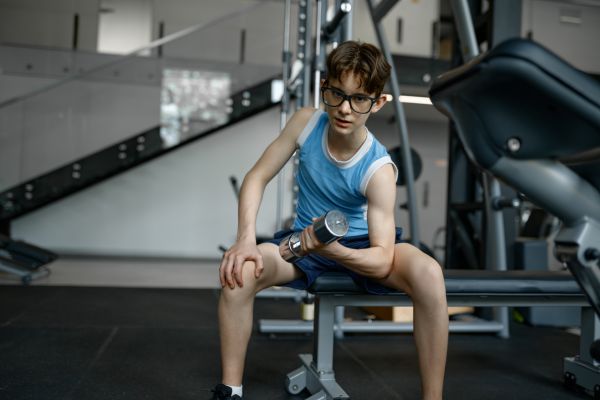
For some athletes, gaining weight sounds simple from the outside. Eat more food, lift heavier, and wait for the scale to move. But anyone who has been the “skinny athlete” in a changing room knows it is rarely that easy. You may train hard, eat what feels like a lot, and still look almost the same month after month. Your teammates seem to fill out naturally, while your body burns through meals like fuel on a fire.
That is why weight gain for skinny athletes needs a smarter approach than just adding random calories. The goal is not simply to get heavier. The real goal is to gain useful weight: more muscle, better strength, improved power, and enough energy to recover from demanding training. For athletes, weight gain should support performance, not slow the body down or leave it feeling sluggish.
Healthy weight gain takes patience. It also requires consistency, planning, and a clear understanding of what the body needs when training and growth are both happening at the same time.
Why Some Athletes Struggle to Gain Weight
Skinny athletes are often told they have a “fast metabolism,” and in many cases, there is some truth to that. Some people naturally burn more energy at rest, move more throughout the day, or feel full quickly. Athletes add another challenge because sports training burns a lot of calories. Practices, conditioning sessions, matches, gym work, and even warm-ups all increase daily energy needs.
A teenage athlete may face an extra layer as well. Growth, hormones, school schedules, and sports commitments can make it hard to eat enough. Even adult athletes can underestimate how much food they actually need, especially during heavy training blocks.
The issue is usually not lack of effort. Many skinny athletes are disciplined and hardworking. The problem is that their food intake does not consistently exceed what their body burns. Without that calorie surplus, the body has little extra material to build new muscle tissue.
Weight Gain Should Be Built Around Performance
For athletes, gaining weight is not the same as simply becoming bigger. Extra body weight should help the athlete move better, compete harder, or hold up physically during sport. A football player may want more size to handle contact. A sprinter may want more muscle for power. A basketball player may need strength without losing quickness. A distance runner, on the other hand, may only need modest weight gain if it improves durability and recovery.
This is why the process should be gradual. Rapid weight gain can add unnecessary fat, reduce agility, and make the athlete feel heavy. A slow, steady increase gives the body time to adapt. It also makes it easier to notice whether the added weight is helping performance or getting in the way.
A good approach is to track body weight trends over several weeks rather than reacting to daily changes. Weight naturally moves up and down because of water, food volume, sweat loss, and training. The weekly trend matters more than one morning on the scale.
Eat More Than You Think, But Do It Strategically
The foundation of weight gain is a calorie surplus. This means eating more calories than the body uses. For skinny athletes, the challenge is often eating enough without feeling uncomfortably full all the time.
Adding huge meals suddenly is not always practical. A better strategy is to increase food intake gradually. Instead of forcing one oversized dinner, spread calories across the day. Breakfast, lunch, dinner, and two or three snacks can make weight gain much easier.
Small additions can make a big difference. Adding olive oil to rice, peanut butter to toast, avocado to sandwiches, cheese to eggs, nuts to yogurt, or a smoothie after training can raise calorie intake without making meals feel enormous. These small habits are often more sustainable than trying to eat until stuffed at every sitting.
The goal is not to eat junk all day. Some treats are fine, but athletes need food that supports training. Calories matter, but quality still matters too.
Protein Supports Muscle, But Calories Drive Growth
Protein gets most of the attention in muscle-building conversations, and it is important. Athletes need protein to repair and build muscle after training. However, protein alone will not lead to weight gain if total calories are too low.
Good protein sources include eggs, chicken, fish, lean meat, dairy, lentils, beans, tofu, tempeh, soy milk, Greek yogurt, cottage cheese, and protein smoothies. The exact choices depend on personal preference, budget, culture, and dietary style. What matters most is getting enough protein regularly through the day.
A skinny athlete may benefit from including protein at each meal and snack. This could mean eggs at breakfast, chicken or beans at lunch, yogurt after training, and fish, lentils, or tofu at dinner. The body responds well to steady feeding, especially when strength training is part of the plan.
Still, it is important not to make every meal only about protein. Carbohydrates and fats are just as necessary for weight gain and performance.
Carbohydrates Are Not Optional for Athletes
Many skinny athletes make the mistake of eating protein but not enough carbohydrates. This can leave them tired during training and limit muscle growth. Carbohydrates fuel high-intensity exercise, refill muscle glycogen, and help the body recover between sessions.
Rice, oats, potatoes, pasta, bread, fruit, cereal, quinoa, and whole grains can all support weight gain. For athletes who train hard, carbohydrates should usually take up a strong place on the plate. They are not just “extra food.” They are performance fuel.
Before training, easy-to-digest carbohydrates can help provide energy. A banana, toast, rice, cereal, or a simple smoothie may work well. After training, carbohydrates combined with protein help the body begin recovery. A meal with rice, chicken, vegetables, and olive oil, or pasta with beans and sauce, can do more than a plain protein shake alone.
Carbohydrates can also make it easier to eat enough calories because they are familiar, affordable, and versatile.
Healthy Fats Make Weight Gain Easier
Fats are calorie-dense, which makes them useful for athletes who struggle to gain weight. A small amount of fat adds a lot of energy without adding too much food volume. This is especially helpful for athletes who feel full quickly.
Nut butters, olive oil, avocado, nuts, seeds, whole eggs, fatty fish, and full-fat dairy can all help increase daily calories. For plant-based athletes, tahini, peanut butter, almond butter, chia seeds, flaxseeds, and coconut-based foods may be useful additions.
The trick is to add fats intelligently. Too much fat right before intense training can slow digestion and cause discomfort. But including healthy fats at breakfast, dinner, or snacks can support consistent weight gain without making the athlete feel bloated during practice.
Liquid Calories Can Be a Game Changer
For many skinny athletes, drinking calories is easier than chewing another large meal. Smoothies are especially helpful because they can combine carbohydrates, protein, and fats in one simple option.
A weight-gain smoothie might include milk or soy milk, banana, oats, peanut butter, yogurt, honey, and protein powder if needed. It does not need to be fancy. The best smoothie is one the athlete can drink regularly without getting tired of it.
Liquid calories are useful after training, before school, between classes, or at night when appetite is low. They should not replace all meals, but they can fill the gaps that keep many athletes stuck at the same weight.
For athletes with busy schedules, this can be the difference between “I tried to eat more” and actually eating more every day.
Strength Training Gives the Extra Calories a Purpose
Food provides the building blocks, but strength training tells the body where to use them. Without proper resistance training, a calorie surplus may lead mostly to fat gain rather than useful muscle growth.
Skinny athletes should follow a structured strength program that matches their sport and experience level. The focus should be on progressive overload, which means gradually increasing the challenge over time. This can be done by adding weight, improving reps, increasing control, or progressing to harder variations.
Compound movements such as squats, deadlifts, presses, rows, lunges, pull-ups, and carries are often valuable because they train large muscle groups and build practical strength. Younger athletes or beginners should learn proper technique first. Good form matters more than lifting heavy too soon.
Training should support the sport, not compete with it. Too much gym work on top of intense practices can make recovery harder. The best plan builds strength while respecting the athlete’s overall workload.
Recovery Is Where Growth Actually Happens
Skinny athletes often focus on eating and lifting, but recovery is just as important. Muscle does not grow during the hardest set in the gym. It grows later, when the body has food, rest, and time to repair.
Sleep is one of the most underrated parts of weight gain. Athletes who sleep poorly may struggle with appetite, recovery, hormone balance, and training quality. A consistent sleep schedule can make the entire weight-gain process smoother.
Rest days also matter. More training is not always better. If an athlete is constantly sore, tired, and losing appetite, the body may be under too much stress. Recovery allows the extra calories to become strength and muscle rather than simply being burned off by endless activity.
Track Progress Without Obsessing
Tracking can help skinny athletes understand what is working. Body weight, strength numbers, energy levels, appetite, and sports performance all provide useful feedback.
If weight is not increasing after two or three weeks, food intake probably needs to go up. That does not mean the athlete failed. It simply means the body needs more fuel. Adding another snack, increasing portion sizes, or drinking a daily smoothie can be enough to restart progress.
Photos, clothing fit, and gym performance can also show changes that the scale misses. If an athlete is getting stronger, recovering better, and looking more muscular, the plan may be working even if weight gain is slow.
The key is patience. Real muscle gain is not instant. It takes months of repeated effort.
Avoid the Dirty Bulk Trap
Some athletes become frustrated and decide to eat everything in sight. Fast food, sweets, fried snacks, sugary drinks, and oversized portions may increase weight quickly, but the results are not always helpful. This approach is often called a “dirty bulk,” and while it can raise calories, it may also leave athletes feeling sluggish, inflamed, and poorly conditioned.
That does not mean every meal has to be perfect. Athletes can enjoy pizza, burgers, desserts, or comfort foods sometimes. But the base of the diet should still come from meals that provide protein, carbohydrates, healthy fats, vitamins, and minerals.
Weight gain should improve the body’s ability to train and compete. If the athlete feels slower, more tired, or uncomfortable, the strategy may need adjustment.
Conclusion
Healthy weight gain for skinny athletes is not about eating randomly or chasing the scale at any cost. It is about giving the body enough fuel, enough protein, smart carbohydrates, useful fats, proper strength training, and real recovery. When these pieces come together, weight gain becomes more than extra pounds. It becomes stronger tackles, better lifts, more powerful sprints, improved resilience, and greater confidence in the body.
The process may feel slow at times, especially for athletes who have always struggled to gain size. But slow progress is still progress. A few extra meals, a consistent training plan, better sleep, and patient tracking can change the body over time. The goal is not to stop being naturally lean. The goal is to build a stronger version of that body, one that can perform, recover, and compete with more power.