
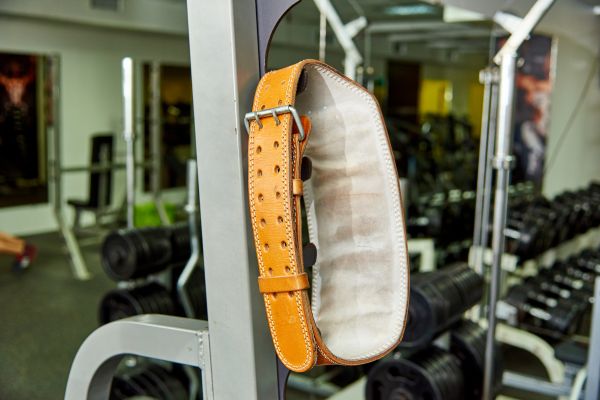
Walk into almost any serious gym and you will see at least one lifter tightening a belt before a heavy squat or deadlift. For some people, the belt looks like a badge of strength. For others, it seems confusing, maybe even unnecessary. The truth sits somewhere in the middle. A weightlifting belt is not magic, and it will not fix poor technique. But when used correctly, it can give the body a stronger surface to brace against and help lifters feel more stable under heavy loads.
A useful comparison of weightlifting belts starts with one simple point: not all belts are made for the same kind of lifting. A powerlifter, an Olympic weightlifter, a bodybuilder, and a beginner doing general strength training may all want something different. The best belt is not always the thickest, stiffest, or most expensive one. It is the one that fits the lifter’s body, training style, and movement needs.
Why Lifters Use Weightlifting Belts
A weightlifting belt is mainly used to support bracing. When you take a deep breath into your belly and tighten your midsection, the belt gives your core something firm to push against. This can increase trunk stability during heavy lifts, especially squats, deadlifts, overhead presses, and strongman-style movements.
However, the belt does not replace your core. It works with it. If a lifter does not know how to brace properly, wearing a belt may feel awkward or even pointless. That is why experienced coaches often tell beginners to learn breathing, positioning, and control before relying on equipment.
The belt is most useful when the weight becomes heavy enough that extra stability matters. For warm-ups, light accessory work, or casual machine exercises, it usually is not necessary. Used at the right time, though, it can make a heavy set feel more controlled and more secure.
Leather Belts and Their Classic Gym Feel
Leather belts are probably what most people imagine when they think of traditional lifting belts. They are firm, durable, and built for heavy training. A good leather belt can last for years, though it often needs a break-in period before it feels comfortable.
The main advantage of leather is support. It does not stretch much, so it gives a solid wall for the lifter to brace against. This is why many powerlifters prefer leather belts for squats and deadlifts. Once tightened, the belt feels locked in place.
The drawback is stiffness. A thick leather belt can dig into the ribs or hips, especially for shorter lifters or people with a smaller torso. It may also feel too rigid for dynamic lifts, high-rep workouts, or exercises that require more movement. Still, for heavy strength work, leather remains one of the most reliable choices.
Nylon Belts for Comfort and Flexibility
Nylon belts feel very different from leather. They are lighter, softer, and easier to adjust. Many use a Velcro-style closure, which allows quick tightening and loosening between sets. This makes them popular for CrossFit-style workouts, general gym training, and exercises where the lifter moves through several positions.
The comfort factor is hard to ignore. A nylon belt is less likely to pinch, and it usually feels easier to wear for longer sessions. It can work well for people who want some support without feeling trapped inside a stiff belt.
The trade-off is that nylon usually provides less rigid support than leather. For maximal squats and deadlifts, some lifters find that a soft belt does not give enough resistance for strong bracing. That does not make nylon bad. It simply means it suits a different purpose. For moderate lifting, conditioning workouts, and beginners, it can be a practical option.
Lever Belts for Fast and Consistent Tightness
Lever belts are common in powerlifting because they offer quick, consistent tightness. Instead of adjusting prong holes every time, the lifter closes a metal lever and gets the same fit each set. This is especially useful when training heavy, where small changes in tightness can affect comfort and confidence.
The biggest strength of a lever belt is convenience once it is set up. It tightens quickly and releases quickly. During a heavy squat session, that matters more than people might think. Nobody wants to fight with a belt while already tired.
Still, lever belts are not as flexible for size adjustments. If your waist changes slightly from a big meal, bloating, weight loss, or different clothing, changing the fit may require a screwdriver or adjustment tool. For lifters who want precision and consistency, that is fine. For people who prefer easy day-to-day adjustment, a prong belt may feel simpler.
Prong Belts for Traditional Adjustability
Prong belts look more like heavy-duty versions of regular belts. They usually come in single-prong or double-prong designs. A single-prong belt is easier to fasten and adjust. A double-prong belt may look more secure, but many lifters find it harder to line up both prongs, especially when the belt is stiff.
The advantage of a prong belt is flexibility. You can tighten or loosen it by one hole depending on the lift, the day, or your comfort level. Some lifters prefer a slightly tighter belt for squats and a slightly looser one for deadlifts. A prong belt makes that easy.
Compared with lever belts, prong belts take a little more effort to put on and remove. But they are dependable, simple, and widely used. For many lifters, a single-prong leather belt is the sweet spot between support and adjustability.
Tapered Belts Versus Uniform Belts
Some belts are wider in the back and narrower in the front. These are called tapered belts. Others are the same width all the way around, often four inches from front to back. The shape makes a real difference.
Tapered belts are often more comfortable for general training because they interfere less with movement. The narrower front can feel better during deadlifts, rows, or exercises where the torso bends. Many bodybuilding-style belts use this shape.
Uniform belts, especially four-inch leather belts, are common in powerlifting. They provide the same support around the entire trunk, not just the lower back. This matters because good bracing happens in all directions. The belt is not only there to support the spine from behind; it helps the lifter create pressure around the whole midsection.
For pure strength work, a uniform belt usually offers better bracing. For comfort and variety, a tapered belt may feel easier to live with.
Olympic Weightlifting Belts Need More Movement
Olympic weightlifting involves explosive lifts like the snatch and clean and jerk. These movements require speed, deep positions, and a lot of torso movement. A very thick, stiff powerlifting belt may get in the way.
That is why Olympic lifters often prefer belts that are supportive but not overly bulky. The belt needs to help with bracing during heavy cleans or jerks, but it should not block the lifter from getting into a deep catch position. A slightly thinner leather belt or a flexible belt may work better here than a stiff powerlifting belt.
This is where the comparison of weightlifting belts becomes more personal. A belt that feels perfect for a slow, heavy squat may feel clumsy during a fast clean. The lift itself should guide the choice.
Belt Thickness and Width Matter More Than People Think
A common mistake is assuming thicker always means better. Many heavy-duty belts come in 10mm or 13mm thicknesses. A 13mm belt can feel extremely supportive, but also very stiff. Some advanced powerlifters love that feeling. Many recreational lifters do not.
A 10mm belt is often a more comfortable middle ground. It still provides strong support but breaks in more easily and feels less aggressive around the ribs and hips. For most lifters, especially those not competing at a high level, 10mm is more than enough.
Width also matters. A four-inch belt is standard for many strength athletes, but shorter lifters may find it uncomfortable. If the belt constantly digs into the ribs or hips, the problem may not be poor toughness. It may simply be the wrong size for that body.
When Beginners Should Use a Belt
Beginners do not need to avoid belts forever, but they should not rush into using one for every set. It is better to first learn how to brace without equipment. Once the movement pattern feels stable and the weights become challenging, a belt can be introduced gradually.
A beginner who does general strength training may start with a nylon belt or a softer leather belt. There is no need to jump straight into a stiff competition-style belt. Comfort helps consistency, and consistency matters more than looking advanced.
The belt should feel supportive, not suffocating. If it changes the lift in a way that feels confusing or painful, it may be too tight, too wide, or simply not needed yet.
How to Choose the Best Belt for Your Training
The best belt depends on your main lifts. Powerlifters usually benefit from a sturdy leather belt, either lever or single-prong, with a uniform width. Olympic weightlifters often prefer something less bulky. General gym lifters may enjoy the comfort of nylon or a tapered leather belt. Bodybuilders may only need moderate support for heavy leg or back days.
Fit should come before appearance. The belt should sit around the midsection where you can brace into it, not so high that it crushes the ribs and not so low that it blocks the hips. It should be tight enough to create pressure but loose enough that you can take a full breath.
A good belt should make heavy lifting feel more stable, not more complicated.
Conclusion
A thoughtful comparison of weightlifting belts shows that there is no single best option for every lifter. Leather belts offer strong, reliable support for heavy strength work. Nylon belts feel lighter and more flexible. Lever belts are fast and consistent, while prong belts give simple adjustability. Tapered belts favor comfort, and uniform belts usually provide stronger all-around bracing.
The right belt is the one that supports your training without taking over your technique. It should help you brace better, move confidently, and respect the demands of the lift in front of you. In the end, a belt is only a tool. The real strength still comes from patience, practice, and learning how to control your body under the bar.