
Childhood has always been closely tied to movement. Running after friends, kicking a ball across an open field, or racing bicycles down the street are experiences that define growing up. Today, however, many children spend more time indoors than ever before. Screens, packed schedules, and limited outdoor spaces often replace the free play that once came naturally. This is where outdoor sports for kids become especially important. They offer more than exercise. They provide freedom, connection, and life lessons that can’t be learned sitting still.
Outdoor sports allow children to explore their abilities in a natural setting. Fresh air, open space, and unstructured movement create an environment where kids can learn, fail, try again, and build confidence without pressure. These experiences shape not only physical health but emotional and social development as well.
The Real Value of Outdoor Sports in Childhood
Outdoor sports for kids support healthy growth in ways that go beyond muscle strength or endurance. Physical activity outdoors has been linked to better focus, improved mood, and stronger immune systems. Children who regularly play outside often show reduced stress levels and better sleep patterns.
Equally important are the social benefits. Outdoor sports encourage communication, cooperation, and empathy. Kids learn how to share space, follow rules, and respect others. They also learn how to handle disappointment and success in healthy ways. These skills quietly prepare them for challenges later in life.
Soccer and the Power of Team Play
Soccer remains one of the most popular outdoor sports for kids for a simple reason. It’s easy to start and endlessly engaging. With minimal equipment and a flexible playing area, children can jump into the game almost anywhere.
The constant movement improves stamina and coordination, while teamwork becomes a natural part of play. Children quickly realize that passing the ball and supporting teammates leads to better outcomes. Soccer also helps kids develop spatial awareness and quick decision-making, skills that extend beyond sports.
Cycling as a Path to Independence
Learning to ride a bicycle is a major milestone in childhood. Cycling gives children a sense of independence that few other activities can match. It strengthens leg muscles, improves balance, and boosts cardiovascular health without feeling like structured exercise.
As an outdoor sport, cycling also teaches responsibility. Kids learn to be aware of their surroundings, follow safety rules, and navigate shared spaces. Over time, cycling becomes more than a childhood activity. It often turns into a lifelong habit that supports physical and mental well-being.
Baseball, Cricket, and Learning Patience
Not all outdoor sports for kids rely on nonstop motion. Sports like baseball and cricket introduce a slower pace that teaches patience and focus. Children learn to stay engaged even when they are not actively involved in the play.
These games build hand-eye coordination and timing through throwing, catching, and batting. They also introduce strategy. Kids begin to understand positioning, anticipation, and how small decisions can affect the entire game. The balance between action and waiting helps children develop concentration and self-control.
Running and Track-Based Activities
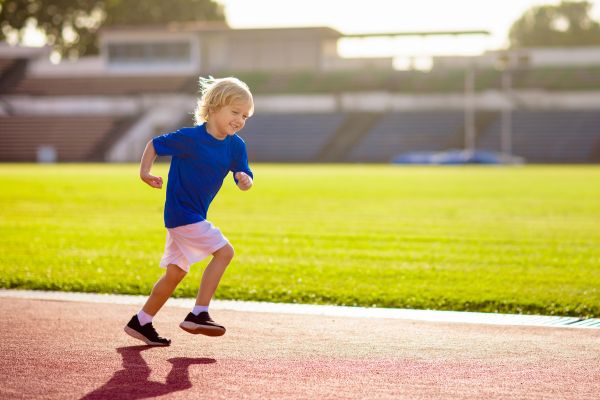
Some children are natural runners. For them, track-style activities, races, or simple running games provide an outlet for energy that feels natural and satisfying. Running outdoors strengthens the heart and lungs while improving posture and endurance.
Unlike many organized sports, running can be enjoyed individually or in groups, making it inclusive for children with different personalities. It also encourages personal goal-setting. Kids learn to measure progress against their own efforts rather than comparing themselves to others.
Swimming in Outdoor Settings
When available, outdoor swimming is one of the most effective full-body activities for children. Swimming improves strength, flexibility, and coordination while being gentle on joints. For kids who struggle with land-based sports, water can feel freeing and confidence-building.
Outdoor swimming also promotes respect for nature and safety awareness. Children learn how different water environments behave and how to stay safe within them. These lessons build trust, caution, and self-assurance.
Martial Arts and Outdoor Discipline
While often practiced indoors, many martial arts and fitness-based disciplines translate well to outdoor environments. Training outside adds new challenges such as uneven ground and changing weather, which improve balance and adaptability.
These activities emphasize discipline, focus, and respect. For children who benefit from structure and routine, outdoor martial arts provide both physical activity and emotional grounding. Practicing outdoors also encourages mindfulness and awareness of surroundings.
Matching the Sport to the Child
Not every child will enjoy the same activity, and that’s perfectly normal. The most effective outdoor sports for kids are those that align with individual interests and temperaments. Some children thrive in loud, energetic team settings. Others prefer quieter activities where they can move at their own pace.
Allowing kids to explore different sports without pressure helps them discover what they truly enjoy. When physical activity feels like play rather than obligation, children are far more likely to stay active as they grow older.
Encouragement Over Competition
A supportive environment makes all the difference. Children are more likely to enjoy outdoor sports when effort is valued more than winning. Encouragement builds confidence, while excessive pressure can quickly drain the joy from play.
Parents, teachers, and communities play an important role by creating safe, accessible spaces for outdoor activities. Parks, school fields, and neighborhood areas provide opportunities for kids to move freely and connect with others.
Building Healthy Habits for Life
Outdoor sports for kids are not about producing elite athletes. They are about helping children develop a healthy relationship with movement. The lessons learned outside, resilience, teamwork, patience, and confidence, shape how children approach challenges throughout life.
In a world that increasingly pulls children indoors, outdoor sports offer a return to something essential. Open space, fresh air, and the freedom to move remain powerful tools for growth. When children are encouraged to play outside, they are not just staying active. They are building habits and memories that support a healthier, happier future.