
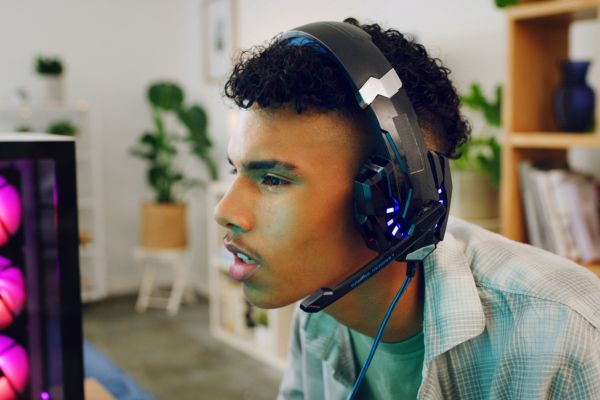
Esports in 2026 isn’t just fast—it’s razor sharp. Reaction times are measured in milliseconds, communication is constant, and every subtle sound cue can be the difference between winning and losing. In that kind of environment, your headset isn’t just an accessory. It’s a competitive tool.
Finding the best headset for esports 2026 isn’t about flashy lighting or brand hype. It’s about precision, comfort, clarity, and consistency under pressure. The modern esports headset has evolved into something far more refined than what players used even a few years ago.
Let’s break down what actually matters this year, and which headsets are setting the standard for serious players.
Why Headsets Matter More Than Ever in Esports
The pace of competitive gaming has intensified across titles like tactical shooters, battle royales, and MOBAs. Sound design has become more detailed, and developers are deliberately embedding directional cues into gameplay.
Footsteps aren’t just footsteps anymore. They carry distance, surface type, and movement intent. Gunshots echo differently depending on environment. Even silence has meaning.
A high-quality headset translates all of this into actionable awareness.
But there’s another layer too: communication. Teams rely on crystal-clear voice chat, especially in high-stakes matches. A poor microphone or inconsistent audio can disrupt coordination instantly.
That’s why the best esports headsets in 2026 focus on two key things: accurate audio reproduction and reliable communication.
The Rise of Precision Audio Tuning
In the past, gaming headsets often emphasized heavy bass and exaggerated sound profiles. That approach has shifted dramatically.
Modern esports headsets are tuned for clarity over theatrics. Instead of booming explosions, you get a balanced soundstage where every element has its place.
This matters most in competitive shooters. You want to hear footsteps behind walls, not have them drowned out by low-frequency rumble.
Many top headsets now include customizable EQ profiles, allowing players to fine-tune audio for specific games. Some even offer presets optimized for competitive play, stripping away unnecessary noise and highlighting key frequencies.
It’s less about immersion and more about information.
Comfort as a Competitive Advantage
It’s easy to overlook comfort until you’re three hours into a scrim or tournament match.
In 2026, comfort has become a defining feature of the best headset for esports. Lightweight materials, breathable ear cushions, and improved headband designs are now standard among high-end models.
Clamping force is more balanced, reducing fatigue without sacrificing stability. Memory foam ear cups have improved airflow, helping players stay focused during long sessions.
And it’s not just about physical comfort. A well-designed headset minimizes distractions. No awkward pressure points, no overheating, no constant adjustments.
When you forget you’re wearing it, that’s when it’s doing its job right.
Wired vs Wireless: The Gap Has Narrowed
For years, wired headsets dominated esports because they offered zero latency and consistent performance. Wireless options were seen as risky in competitive settings.
That’s changed.
In 2026, high-end wireless headsets have nearly eliminated latency concerns. Advanced 2.4 GHz connections and improved battery technology make them viable even in serious competitive environments.
Still, many professional players stick with wired setups for absolute reliability. There’s a certain peace of mind in a direct connection—no interference, no battery worries.
Wireless headsets, on the other hand, bring freedom of movement and cleaner setups. For players who value flexibility without sacrificing performance, they’ve become a legitimate option.
The choice now comes down to personal preference rather than clear superiority.
Microphone Quality Is No Longer an Afterthought
In earlier gaming setups, microphones were often secondary. Today, they’re just as important as the audio drivers.
The best esports headsets in 2026 feature noise-canceling microphones that filter out background sounds with impressive accuracy. Keyboard clicks, fan noise, and room echo are significantly reduced.
This leads to clearer communication, especially in team-based games where precision matters. Misheard calls or distorted voice chat can lead to costly mistakes.
Some headsets now offer detachable or retractable microphones, giving players flexibility when switching between competitive play and casual use.
Others include software enhancements for voice clarity, though many players still prefer raw, unprocessed audio for reliability.
Top Headsets Defining Esports in 2026
While preferences vary, a few headsets consistently stand out this year for their performance and reliability.
SteelSeries Arctis Nova Pro Wireless has become a favorite among players who want premium wireless performance. Its dual-battery system ensures uninterrupted gameplay, while its sound profile remains clean and detailed.
Logitech G Pro X 2 Lightspeed continues to build on its reputation as a tournament-ready headset. Its balance of comfort, durability, and precise audio makes it a strong choice for competitive environments.
Razer BlackShark V2 Pro (2026 edition) has refined its already popular design, focusing even more on clarity and microphone quality. It’s particularly strong in FPS games where directional audio is critical.
HyperX Cloud III Wireless carries forward the legacy of the Cloud series with improved comfort and consistent performance. It remains a dependable option for long gaming sessions.
Each of these headsets approaches the same goal—competitive clarity—in slightly different ways. Choosing between them often comes down to subtle preferences in fit, sound signature, and features.
Durability and Build Quality Under Pressure
Esports gear goes through intense use. Daily practice, travel, and long tournaments demand equipment that can hold up over time.
In 2026, durability has improved across the board. Aluminum frames, reinforced hinges, and higher-quality plastics have become standard in top-tier headsets.
Cable quality has also improved for wired models, reducing wear and tear. For wireless headsets, better battery management means longer lifespan and fewer charging interruptions.
A headset that feels solid and dependable adds a layer of confidence. You don’t want to worry about your gear failing in the middle of a match.
Software and Customization Features
Modern headsets aren’t just hardware—they’re part of a larger ecosystem.
Software platforms now allow players to adjust EQ settings, microphone levels, and even spatial audio preferences. Some programs offer game-specific profiles that can be toggled instantly.
While not every player uses these features, they provide an extra layer of control for those who want to optimize their setup.
That said, simplicity still matters. The best headset for esports 2026 works well out of the box without requiring endless tweaking.
What to Look for When Choosing Your Headset
Choosing the right headset ultimately depends on how you play and what you prioritize.
If you focus on competitive shooters, clarity and directional accuracy should be your top concerns. For team-based games, microphone quality becomes just as important.
Comfort should never be compromised. A slightly better sound profile won’t matter if the headset becomes uncomfortable after an hour.
And while features like wireless connectivity and software customization are useful, they should support your experience—not complicate it.
The Future of Esports Audio
Looking ahead, headset technology continues to move toward greater precision and personalization.
We’re seeing early signs of adaptive audio systems that adjust sound profiles in real time based on gameplay. AI-driven noise cancellation is becoming more refined. Even spatial audio is evolving to feel more natural and less artificial.
But at its core, the goal remains the same: to give players clearer information, faster reactions, and better communication.
The tools are improving, but the fundamentals haven’t changed.
Conclusion
Finding the best headset for esports 2026 isn’t about chasing trends or picking the most expensive option. It’s about understanding what helps you perform at your best.
Today’s top headsets are more refined than ever. They prioritize clarity over gimmicks, comfort over flash, and reliability over unnecessary features. Whether you prefer wired stability or wireless freedom, there’s a strong option available.
In the end, the right headset is the one that disappears when you’re playing—leaving only the sound, the strategy, and the moment in front of you.