
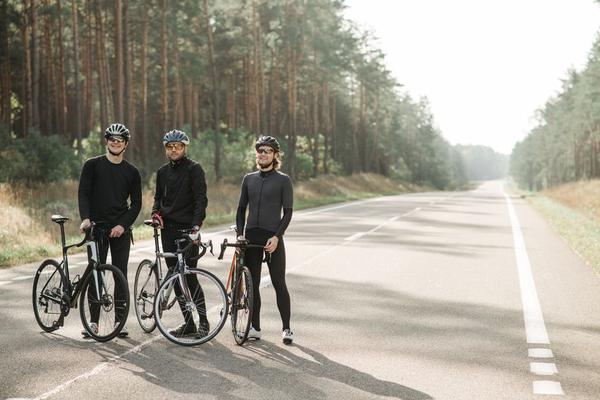
Early road rides can feel surprisingly busy. You are steering a lightweight bike, watching traffic, finding the right gear and trying not to run out of breath—all at once. The most useful beginner road cycling tips make those decisions simpler. You do not need speed, expensive equipment or a long-distance goal. You need a bike that works properly, a manageable route and a few skills you can repeat until they feel natural.
Choose a route that lets you learn
For your first few rides, choose quiet roads or suitable cycle routes with good surfaces, clear sightlines and relatively few complicated junctions. A short loop close to home is better than an ambitious route that leaves you tired miles from your starting point. Check for steep hills and fast-moving traffic before you leave.
Ride in daylight and, if possible, in dry conditions while you learn. Tell someone your route, carry a charged phone and allow extra time.
Get comfortable on the bike before focusing on fitness
A properly fitted road bike should let you reach the brakes comfortably and steer without feeling stretched. Saddle height matters, but do not chase an aggressive racing position. If your hands go numb, your knees hurt or you feel unstable, a bike shop can help check fit and setup.
Make a simple pre-ride check
Before every ride, inspect the tyres for visible damage and inflate them within the pressure limits marked on the tyre and rim, following the bike manufacturer’s guidance. Squeeze both brake levers and make sure the brakes engage. Check that wheels are secured, the chain moves smoothly and nothing is loose.
Wear a well-fitting helmet, clothing that cannot catch in moving parts and shoes that grip your pedals. Use lights and reflectors as local law requires; visible lights can also help in poor daylight. Bring water, a spare tube or puncture repair kit, tyre levers and a suitable pump. Learning basic bike maintenance pays off before your first flat tyre.
Practise five road bike skills away from traffic
Starting and stopping smoothly
Practise setting one pedal slightly forward, pushing off and bringing your other foot onto the pedal without swerving. To stop, ease off the pedals, brake progressively and place one foot down. Repeat until you can do it while looking ahead instead of down at your feet.
Braking without grabbing
Practise using both brakes smoothly in a safe, empty space, increasing pressure gradually and shifting your weight back slightly during harder stops. Learn how your particular bike responds before riding downhill or in wet weather, when grip may be reduced.
Looking through turns
Slow down before a bend, look toward the exit and guide the bike with relaxed arms. Avoid braking sharply while leaning. On a typical road-bike corner, keeping the inside pedal raised reduces the chance of it striking the ground. Leave extra margin for gravel, potholes and wet surfaces.
Shoulder checks and hand signals
Looking behind without veering is one of the most valuable road bike skills. On a quiet, traffic-free stretch, pick a straight line, glance over your shoulder briefly, then return your eyes forward. Next, practise riding steadily with one hand on the bars so you can signal turns. Check behind before signalling or changing position, and keep control of the bike throughout.
Choosing easier gears early
Shift into a lower gear before a hill becomes difficult or before you stop. You should feel able to turn the pedals smoothly rather than force each stroke. Ease pedal pressure slightly while shifting, but keep pedalling.
Understand road positioning, not just road signs
Hugging the kerb may seem considerate, but it leaves less room to avoid drains, debris and broken road edges. Ride in a visible, predictable position with sufficient clearance from hazards. Where the road narrows or an overtake would be unsafe, a more central lane position may be appropriate under local rules. In the UK, Highway Code Rule 72 specifically addresses these situations.
Keep a generous distance from parked cars because doors can open unexpectedly. Watch for vehicles turning across your path, especially near junctions. Never assume a driver has seen you. Make your intentions clear, obey signals and road markings, and give pedestrians priority where required. If a junction feels too complicated, there is no shame in stopping somewhere safe and walking the bike across using an appropriate crossing.
Ride at a pace you can sustain
Road cycling for beginners is easier when you resist the temptation to sprint between every junction. For most of your first rides, keep the effort gentle enough to speak in full sentences. Breathe steadily, shift gears before your legs become heavy and ease up after a hill rather than immediately accelerating again.
Start with a distance or duration that suits your current fitness; even 20 to 30 minutes is worthwhile. Build gradually as your comfort and recovery improve. Drink regularly, especially in warm weather, and bring a snack if you expect to be out longer. Fatigue affects concentration as well as leg strength, so turn home before you are exhausted.
A practical first-ride plan
Imagine a 30-minute loop with one quiet junction and a gentle incline. Spend five minutes riding slowly and checking that shifting and braking feel normal. During the next ten minutes, focus on looking ahead, holding a steady line and checking behind on safe stretches. Ride the incline in an easy gear, then return at a relaxed pace. Finish by noting one skill to practise next time.
That approach is more useful than measuring your ride against racing speeds. Once handling feels predictable, add busier roads selectively, take a cycle training course or join a beginner-friendly group.
Frequently asked questions
How far should a beginner road cyclist ride?
There is no required starting distance. Choose a short route you can complete comfortably, then extend it gradually. Time, terrain, traffic and your fitness matter more than a mileage target.
Do I need clipless pedals to start road cycling?
No. Flat pedals are a sensible choice while you learn starts, stops and balance. Clipless pedals can come later if you want them, after practising clipping in and out somewhere safe.
What should I do if traffic makes me nervous?
Begin on quieter routes, practise shoulder checks and road positioning, and consider cycle training. Avoid roads that feel beyond your current ability; confidence should grow with experience, not pressure.
How often should I ride as a beginner?
A few manageable rides each week can build familiarity, provided you leave time to recover. Consistency and attentive practice matter more than daily mileage.
Build confidence one decision at a time
The best beginner cycling advice is to make every ride a small lesson. Check the bike, choose a forgiving route, practise controlled braking and signalling, and keep enough energy to think clearly. Safer, smoother riding comes from noticing hazards early and making calm, predictable choices. Distance and speed can follow when those foundations feel secure.