
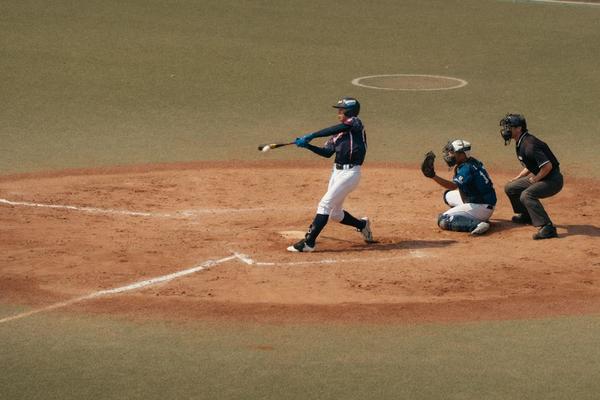
Baseball becomes much easier to follow once you understand one simple idea: the game is divided into innings, and each team normally gets a turn to bat in every inning. Unlike sports that run continuously against a clock, baseball moves forward through outs. The batting side tries to score before the fielding side records three outs, then the teams switch roles.
In Major League Baseball, a standard game is scheduled for nine innings. Each inning normally has two halves, with the visiting team batting first and the home team batting second. That rhythm explains the scoreboard, the batting order, and why the home team sometimes wins without taking its turn in the bottom of the ninth.
What Is an Inning in Baseball?
An inning is one segment of a baseball game in which both teams normally have an opportunity to bat. The first half is called the top of the inning, and the second half is called the bottom. During each half, one team is on offense while the other plays defense.
In the top half, the visiting team bats. When the home defense records three outs, the teams switch. The home team then bats in the bottom half until the visiting defense records three outs. After that, the inning is complete and the next inning begins.
This top and bottom inning format repeats through the game. A broader baseball rules for beginners guide is a useful companion topic.
Why Three Outs Control the Length of a Half-Inning
A team does not get a fixed number of batters or pitches. Its turn lasts until the defense records three outs. Once the third out is made, the half-inning ends immediately, even if runners are still on base.
Outs can happen in several ways. A batter may strike out, a fielder may catch a batted ball before it touches the ground, or a runner may be tagged or forced out. A double play can produce two outs on one play, while the rare triple play can record all three.
That is why the three-outs rule matters when baseball innings are explained. One half-inning may end after only three batters, while another can last much longer if hitters keep reaching base before the defense gets the third out.
How the Top and Bottom of an Inning Work
Top Half: The Visiting Team Bats
Every inning starts with the visiting team at bat. It keeps batting until three outs are recorded. Runs scored are added to the visiting team’s total, subject to the normal scoring rules around the third out.
Bottom Half: The Home Team Bats
After the third out in the top half, the home team comes to bat. Its turn also continues until three outs are recorded. The batting order does not reset when an inning ends. If the seventh hitter makes the final out, the eighth hitter is due up first the next time that team bats.
Why the Bottom of the Ninth Is Sometimes Skipped
A standard MLB game is scheduled for nine innings, but the bottom of the ninth is not always necessary. If the home team is already ahead after the visiting team makes its third out in the top of the ninth, the game ends because the visitors have no remaining chance to tie or take the lead.
For example, suppose the home team leads 5-3 entering the ninth. The visitors fail to score in the top half and make three outs. The game finishes 5-3 without a bottom of the ninth.
If the visiting team is ahead, the home team still gets its turn. If the home team takes the lead during the bottom of the ninth, the game ends immediately on what is commonly called a walk-off.
What Happens When the Score Is Tied After Nine Innings?
If the score is tied after both teams complete nine innings, the game moves to extra innings. Extra innings baseball keeps the same basic order: the visiting team bats in the top half and the home team bats in the bottom half.
Under current MLB regular-season rules, every half-inning after the ninth begins with an automatic runner on second base. The runner is generally the player in the batting order immediately before the hitter due to lead off.
The automatic runner is not used in MLB postseason games. Postseason extra innings begin without a placed runner. Play continues until the visiting team completes an extra inning with the lead and then holds it, or the home team takes the lead in the bottom half.
A Practical Way to Follow Any Inning
If you lose track while watching a game, check three things: the inning number, whether it is the top or bottom half, and the number of outs. If the scoreboard says “Top 6th, 2 outs,” the visiting team is batting, the home defense needs one more out to end that half, and the home offense will bat next.
Another simple example: the visitors score one run in the top of the fourth, then the home team scores two in the bottom. The scoreboard shows 1 for the visitors and 2 for the home team in the fourth-inning column, then the game moves to the top of the fifth.
Learning common ways batters and runners are put out also helps explain how half-innings end.
Do All Baseball Games Use Nine Innings?
Nine innings is the standard for MLB, but other levels and competitions may use different lengths. Youth, amateur, school, recreational, or tournament games can be scheduled for fewer innings, and some competitions have their own extra-inning procedures. The central structure remains familiar: teams alternate offense and defense, and three outs normally end each half-inning.
Frequently Asked Questions
How many outs are in one full inning?
There are normally six outs in a complete inning: three while the visiting team bats in the top half and three while the home team bats in the bottom half.
Who bats first in an inning?
The visiting team bats first in the top half. The home team bats second in the bottom half.
Can a half-inning end before three outs?
During normal play, a half-inning ends with the third out. The main exception comes in the bottom of the ninth or an extra inning when the home team scores the run that gives it the lead. The game ends immediately, so no additional outs are needed.
How many extra innings can a baseball game have?
MLB does not set a fixed maximum number of extra innings. If the score remains tied, additional innings continue until a winner is determined, subject to suspension or other applicable competition rules.
Understanding the Rhythm of the Game
Once you understand how baseball innings work, the structure becomes much easier to read. The visitors bat in the top, the home team bats in the bottom, and three outs normally end each half. Nine innings make up a standard MLB game, while a tie after nine sends the game to extras. Watch the inning, the half and the outs, and you will rarely lose track of where the game stands.